Beyond the Chatbot: Building an Agentic Interface for Scientific Data
August 17, 2026
At Ark, we believe pushing science forward means rethinking the tools scientists use every day.
One problem kept coming up in conversations with our partner: cell culture data is messy.
Critical data is often spread across Excel workbooks, PDFs, instrument exports, and multiple files with inconsistent formats. Before that data can be useful, someone has to understand it, extract it, clean it, standardize it, and verify that nothing went wrong along the way.
We started with a simple hypothesis: an AI agent with a coding sandbox and the right tools could do a remarkable amount of this work. It could inspect files, write code, extract information, transform datasets, and reformat everything into a clean standard.
But there was an important constraint: the agent would still need humans.
Source data can be ambiguous. Exports can be malformed. Instrument files can contain novel structures. And sometimes the agent will simply get something wrong. In a domain where data is used for high-stakes - quality matters. And, asking scientists to blindly trust an autonomous system leaves too much to chance.
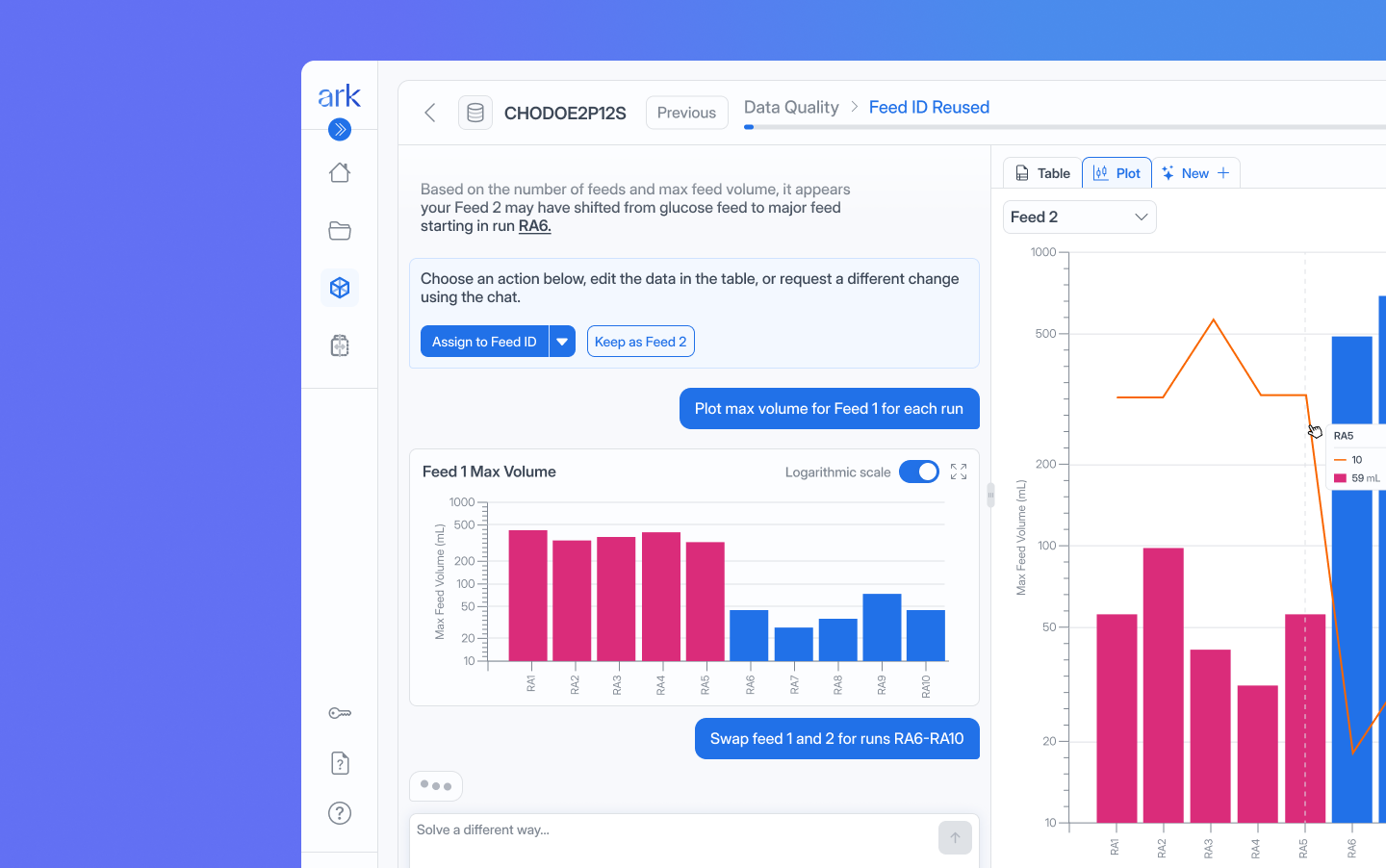
We built an agent-driven interface where agents suggest actions, while giving scientists ultimate control.
How it works
1. The user uploads their data.
That might mean Excel workbooks, PDFs, instrument exports, and can include multiple files at once.
2. A specialized agent investigates the data.
Inside a coding environment, the agent writes and executes code to understand the uploaded files, identify their structure, extract the relevant information, and transform it into a clean, standardized format.
3. The user enters a visual, agentic workflow.
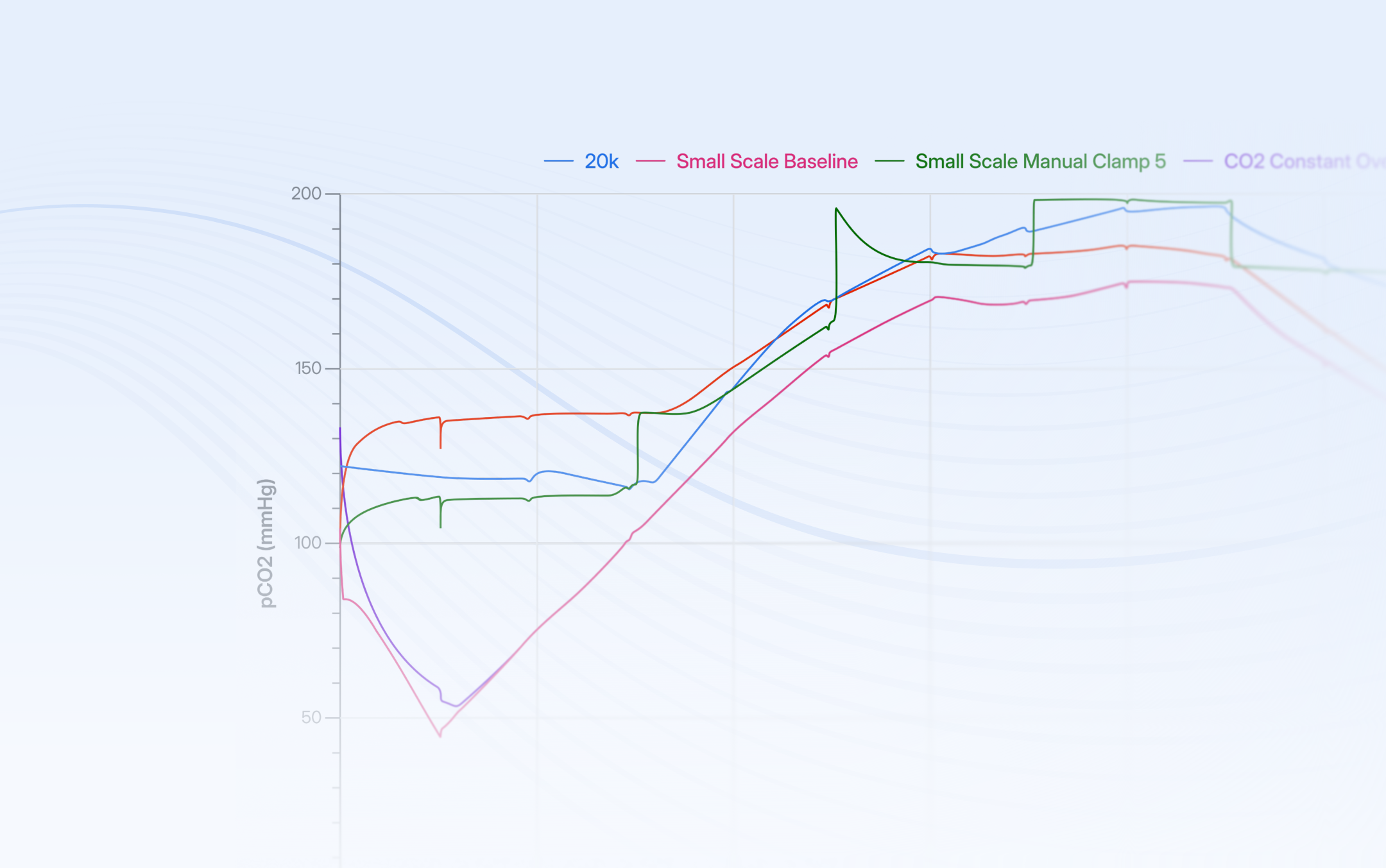
Data Wizard guides them through the inputs and decisions that actually matter. Depending on the task, that might include graphs, structured control strategies, validation interfaces, or custom views generated specifically for the data in front of them.
The agent can operate those same interfaces alongside the user.
4. Errors become part of the workflow.
When something looks wrong or requires human judgment, the system surfaces it directly. The user can resolve the issue through the interface themselves or ask the agent to handle it.
That creates a much tighter loop between automation and human oversight.
The result is a shared workspace where the agent and the user can operate the same system, inspect the same data, and take many of the same actions.
This interaction model has implications far beyond data reformatting. As agents become capable of doing more complex work, we're going to need interfaces that agents and humans can both operate in.
I'm incredibly proud of what we've built and of everyone who helped shape it from the customers who trust us with difficult real-world problems to our designer Emmet Blanchette, our engineers Jordan Lim, Jaron Thompson, and Graeme Bates, and our CEO Yossi Quint, who continually pushes us to break new ground. This is still the beginning, but it feels like an important step toward a future where powerful agents and thoughtful user interfaces aren't competing paradigms, they're the same product.